Sallia cono specimen
Conus Sallia (scientific name: Conus lampas sauliae) is a highly toxic marine gastropod mollusk of the conus family Conus. It is classified as a subspecies of the lamp snail, named for its type specimens collected from the Saliya Archipelago in Indonesia. Sallia conus is known for its unique shell shape, bright body color and deadly venom, and is one of the most representative "marine poison kings" in the conus family. It is distributed in the tropical waters of the Indian Ocean-Pacific Ocean, mainly in Indonesia, the Philippines, Malaysia, northern Australia and the west coast of India. Sandy, muddy or coral reef bottoms with a preference for water depths of 1-50 m

conus snail shell
Conus scientific name: Conus princeps, belonging to the mollusk gastropod conus conus family conus genus. It is one of the largest species of conus (the largest shell length can reach 20cm), mainly distributed in the Atlantic Ocean (Caribbean Sea, Brazil) and Indian Ocean (East Africa, northwest Australia). Mainly distributed in the Atlantic Ocean (Caribbean Sea, Brazil) and the Indian Ocean (East Africa, northwest of Australia), water depth of 1-50 meters.

green vortex screw shell
The scientific name of the green vortex snail is Turbo viridus, which belongs to the medium-sized marine shellfish of the genus Vortex Snail family. It is named after the green or yellow-green markings on the shell. The spiral part is short (accounting for 1/3 of the total shell length), the body spiral layer (lower part of the shell) is wide and conical, the shell length is 8-20cm, the shell is thick and hard (the main component is calcium carbonate), and the surface is smooth but with fine growth lines; The shell surface is covered with green or yellowish green stripes (some individuals have white or brown stripes), and the overall color is mainly emerald green and olive green.

Oriental Angel Wing Screw Shell
The scientific name of the Oriental Angel Wing Snail is Pterynotus orientalis (Oriental Wing Snail), which belongs to the large marine shellfish of the genus Angel Wing Snail family. It is named after its shell is as wide as wings and has angelic elegant lines. Fan-shaped or wing-shaped, the shell length is 20-40cm (up to 50cm), the shell height is about 1.5 times of the shell length, the shell is thick and hard (the main component is calcium carbonate), and the surface is smooth but with fine growth lines; The shell surface is covered with radial ribs (about 3-5 per cm), with light brown or white spots between the ribs, and the overall color is mainly milky white and light yellow.

Nanyang Baby Screw Shell
Nanyang baby snail scientific name is Cypraea tigris (tiger baby). The deep and shallow tiger-shaped pattern of its shell mask is one of the most representative tropical marine shellfish in the Baby Division. It is named after its widespread distribution in the Nanyang Ocean (Southeast Asia). Tiger-spotted baby is one of the larger and most gorgeous types of shell patterns in the baby family. Oval or pear-shaped, the shell length is 5-15cm, the shell height is about 2/3 of the shell length, the shell is thick and hard (the main component is calcium carbonate), and the surface is smooth but with fine growth lines. The shell surface is covered with tiger spot patterns with alternating shades, and the overall color is mainly golden and orange.

spider screw shell
The spider's scientific name is Lambis chiragra. Its unique shell shape, shell mouth slender curved like spider legs, is the spider snails (Vermetidae) in the highly recognizable tropical marine shellfish. The spiral part is short, the body spiral layer (lower part of the shell) is wide and conical, the shell length is 10-25cm (up to 30, cm) slender and curved, the edge has a fine tooth-like structure (to enhance the tightness of closure), the shell surface extends downward from the top of the shell, such as "spider legs" with dense and thick ribs, dark brown or green spots between the ribs, and the overall color is mainly gray brown and brown, some individuals are light green due to the attachment of algae.

black abalone shell
The scientific name of the black abalone is Haliotis discus hannai, which belongs to the large marine shellfish of the genus Abalone (Haliotis) of the family Abalone (Haliotidae). It is named for its dark (black brown or dark brown) shell and its disc-shaped shape. Black abalone is one of the largest and most unique shell species in the genus Abalone, with 6-8 short antennae, developed into fleshy lumps ("abalone meat"), mucous glands on the surface, covering the shell mouth, and thin tubular protrusions on the edge.

australia angle screw shell
The Australian horn screw is named Turritella australiensis. Its slender shell resembles a horn. It is a large marine shellfish unique to the east coast of Australia. Because it often inhabits shallow rocky areas and has unique shell patterns, it has become a landmark species of local marine ecology. The spiral part is extremely long, the body spiral layer is short and wide, the whole is slender conical or tower-shaped, and the shell length can reach 30-50cm. The shell surface is densely covered with dense longitudinal ribs and fine growth lines, with light brown or white stripes between the ribs, the overall color is mainly milky white and light yellow, and some individuals are light green due to algae attachment.

Tapestry Vortex Shell
The tapestry vortex conch (Turbo setosus) belongs to the genus Vortex conch family Vortex conch of the mollusk phylum gastropod. The spiral part is short, the body spiral layer (lower part of the shell) is wide and conical, and the shell length is 10-30cm (up to 40cm); The shell surface is densely covered with dark and light brown, yellow or orange stripes, and some individuals have radial or grid patterns, which are similar to handmade brocade or tapestry as a whole. The shell is thick and hard (mainly composed of calcium carbonate), with pearl luster on the surface, the edge of some types of shells has a fine tooth-like structure (to enhance the tightness of the closure).

French screw shell
The French snail (Tritonia) belongs to the genus French snail family of the mollusca gastropod, which is about 200 species in the world and widely distributed in tropical to temperate waters. The shell length can reach 40cm (the maximum record is 60cm), conical or tower-shaped, with short spiral part and wide body spiral layer (lower part of the shell); The shell surface is densely covered with thick ribs (about 5-7 per cm), with fine growth lines between the ribs, mostly grayish white or light brown in color, some individuals with purple or orange spots, and the shell mouth is nearly round, the edges have a strong tooth-like structure (to enhance the tightness of the closure).

Prince Conus snail shell
Prince conus scientific name: Conus princeps, belonging to the mollusk phylum gastropod conus conus family conus. It is one of the largest species of conus (the largest shell length can reach 20cm), mainly distributed in the Atlantic Ocean (Caribbean Sea, Brazil) and Indian Ocean (East Africa, northwest Australia). Mainly distributed in the Atlantic Ocean (Caribbean Sea, Brazil) and the Indian Ocean (East Africa, northwest of Australia), water depth of 1-50 meters.

ship octopus shell
The octopus is an animal of the genus octopus, known locally as the white seahorse nest. The female body has a calcareous secondary shell, which is secreted by the interstitial membrane of the first pair of carps. The shell is very thin, translucent and brittle. There are many densely arranged radiating ribs on both sides of the shell. Some ribs have bifurcations. Each rib is connected with one wart process. The two rows of wart processes are very close to each other. The wart processes are sharp and small, about 50 or so. The shell surface is Milky White and the periphery of wart processes is brown. The male has no shell and winged wrists and is small in size. Floating when the shell mouth upward, when the winglike back wrist out, like a sail boat sailing in the sea, it is also known as "Nautilus.

Black Lip Mussel Shell
Black-lipped mussel scientific name: Brachidontes pharaonis, belonging to the genus Mussel of the clam clam clam family, the shell is medium in size (5-10cm long), oblong, thin but tough; The top of the shell is blunt, located at the front end, and the shell surface extends from the top of the shell to the ventral edge with fine concentric growth lines; the edge of the shell (lip) is dark black ("black lip" feature), and the inner surface of the shell is pearl luster (white or pale pink). Prefer tropical to subtropical coastal intertidal zones (high tide line to 5 m water depth), attached to rocks, coral reefs or artificial structures (e. g. piers).

African large snail snail shell
African giant snails (Achatina fulica) gastropod-stemmed ophthalmidae African giant snails, also known as "black field snails" (but not field snails), native to East Africa. The African giant snail is one of the largest existing terrestrial snails. Its adult shell is 10-20cm high (up to 30cm), its shell width is 8-15cm, conical or top-shaped, its shell surface is dark brown or yellowish brown, and it has 5-6 dark longitudinal ribs. It is artificially introduced, the current invasion is distributed in tropical/subtropical regions such as Asia (India, Southeast Asia), Pacific Islands (Hawaii), and America (Brazil, Florida).

Blue Ring Octopus 3D Model Animation
Blue-ringed octopus, also known as blue-ringed octopus, leopard octopus, is a small but highly toxic marine organism, belonging to the blue-ringed octopus family. Widely distributed in the Pacific Ocean between Japan and Australia, it usually inhabits shallow water intertidal zones, such as coral reefs, seagrass beds, and gravel areas. The body is small, the body surface is usually dark brown or tan, and its most prominent feature is the bright blue ring pattern around the eye spot. In the event of danger will emit a dazzling blue light, as a warning signal. It is a nocturnal animal that usually hides under reefs during the day and comes out to move and feed at night, feeding mainly on crabs and bivalve mollusks.

Snail
The snail is a terrestrial taxon of the mollusk phylum gastropod, which belongs to the group of invertebrates. The body is soft and usually protected by a spiral hard shell. The head has two pairs of antennae, the longer one for sensing the environment and the shorter one associated with smell and taste. The foot is muscular and moves slowly on various surfaces by secreting mucus. The shell is one of its distinctive features. The shape and color of the shell vary from type to type. It is not only a protective device for snails, but also helps them retain moisture and adapt to a dry environment. It is an omnivorous animal that feeds on the leaves, stems and fruits of plants, and some species also eat humus or small insects.

Snail 3D Model
The snail is a terrestrial taxon of the mollusk phylum gastropod, which belongs to the group of invertebrates. The body is soft and usually protected by a spiral hard shell. The head has two pairs of antennae, the longer one for sensing the environment and the shorter one associated with smell and taste. The foot is muscular and moves slowly on various surfaces by secreting mucus. The shell is one of its distinctive features. The shape and color of the shell vary from type to type. It is not only a protective device for snails, but also helps them retain moisture and adapt to a dry environment. It is an omnivorous animal that feeds on the leaves, stems and fruits of plants, and some species also eat humus or small insects.

African Snail
The African giant snail, also known as the brown cloud agate snail, is a large terrestrial snail native to East Africa. The shells are long-ovoid, slightly thick and glossy, usually yellow or dark yellow, with a pyrobrown haze pattern. Adult individuals generally 7-8cm long, up to 20cm, weight up to 800 grams. It has the habit of nocturnal and nocturnal, likes humid environment, and often inhabits vegetable fields, orchards, overgrown areas and humus soil. It is an omnivorous animal that feeds on vegetables, flowers, fruits and other crops, causing certain harm to agriculture. The reproductive ability is extremely strong, the life span is generally 5-6 years.

Snail in vivo structure 3D model
The snail is a general term for the terrestrial taxa of the mollusk phylum gastropod, which belongs to invertebrates. The body is soft and usually protected by a spiral hard shell. The head has two pairs of antennae, the longer one for sensing the environment and the shorter one associated with smell and taste. The foot is muscular and moves slowly on various surfaces by secreting mucus. The shell is one of its distinctive features. The shape and color of the shell vary from type to type, from simple conical to complex spiral. It is a protective device for snails, and it can also help them retain moisture and adapt to dry environments. It's an omnivorous animal. It is often used for scientific research, ecological education or as a food.

Snail shell (3D printed)
Snails are mollusks of the family Snails, with over 25000 known species worldwide. Snails have a soft body with a spiral shaped outer shell, and their body is divided into a head and feet; There are 2 pairs of antennae on the head, 1 pair of longer antennae on the back, and 1 pair of eyes at the top of the antennae. There are jaws and file shaped teeth in the mouth, which are used for chewing and chopping food; The abdomen and feet are flat and secrete mucus at the bottom, making it convenient for the feet to use muscle contractions to glide on different surfaces. Breathing occurs in tissues similar to lungs, and air enters through the inhalation port. Snails are named because they have two horn like antennae on their heads when crawling.
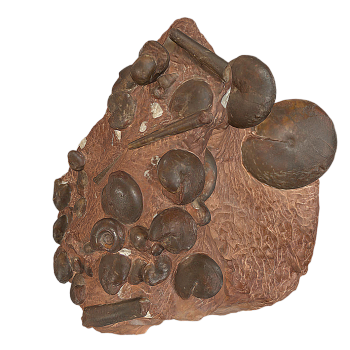
ammonite fossil
Kikushi, a collective term for cephalopods and ammonites in the phylum Mollusca, is a group of extinct marine organisms. Kikushi lived from the early Devonian to the late Cretaceous period, and its shell is often preserved in the form of fossils in the strata. The outer shell of ammonite is a single petal, consisting of three parts: the fetal shell, the gas shell, and the living room. It usually spirals around the fetal shell along a plane, with each revolution forming a spiral ring. Adult ammonite shells generally have 5 to 9 spiral rings, symmetrical on both sides, and can be straight, curved, or even irregular.

3D model of conch shell
Usually refers to the shells of marine snails, which are loved by people for their unique shape and beautiful texture. The size, shape, and color vary, with some shells having smooth surfaces and others having rough textures or nodules. It also holds a unique position in culture and history. In ancient times, snail shells were used as horns or musical instruments in some cultures, while in other cultures they were used as decorative or ceremonial objects. In modern times, conch shells are often used to make various handicrafts such as jewelry, wind chimes, and other decorations. It also has ecological functions in nature. Some marine creatures, such as hermit crabs, use empty snail shells as a home to protect themselves

Snail (3D schematic diagram of internal structure)
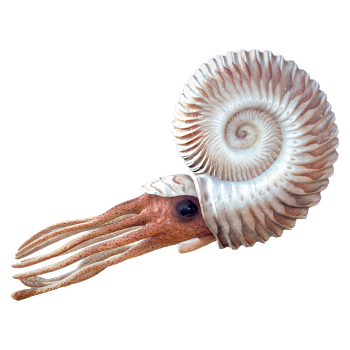
Ancient Kikushi (3D Restoration Animation)
Kikushi, a collective term for cephalopods and ammonites in the phylum Mollusca, is a group of extinct marine organisms. Kikushi lived from the early Devonian to the late Cretaceous period, and its shell is often preserved in the form of fossils in the strata. The outer shell of ammonite is a single petal, consisting of three parts: the fetal shell, the gas shell, and the living room. It usually spirals around the fetal shell along a plane, with each revolution forming a spiral ring. Adult ammonite shells generally have 5 to 9 spiral rings, symmetrical on both sides, and can be straight, curved, or even irregular.

Popular Models
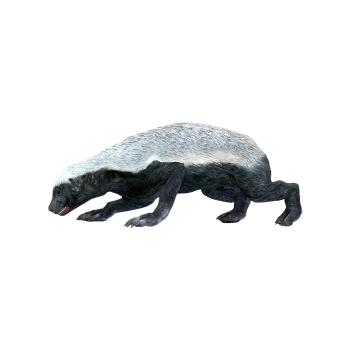
Honey Badger (3D animated model)
192 View
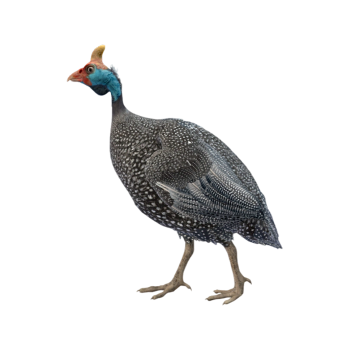
Guinea fowl (3D animated model)
163 View
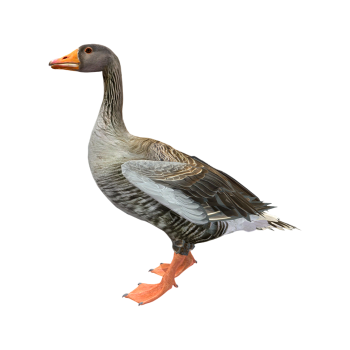
Wild Goose (3D animated model)
185 View
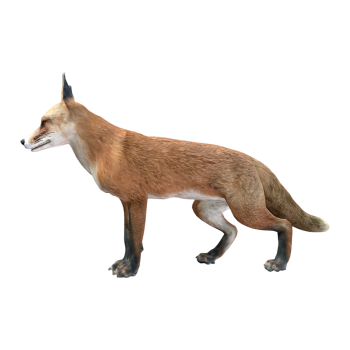
Red Fox (3D animated model)
153 View
Random Model

German Exakta VX 19 camera
730 View

Boston Dynamics SpotMiniRobot
1704 View

Old-fashioned large globe
616 View

McLaren P1MS
887 View